The follow-up file
Melanotan 2 after the appetite returns
In obese rats, appetite suppression waned while fat loss persisted. The timing is untidy enough to deserve an explanation.
A bulletin on appetite, persistence and the unfinished human record.
Appetite and body fat
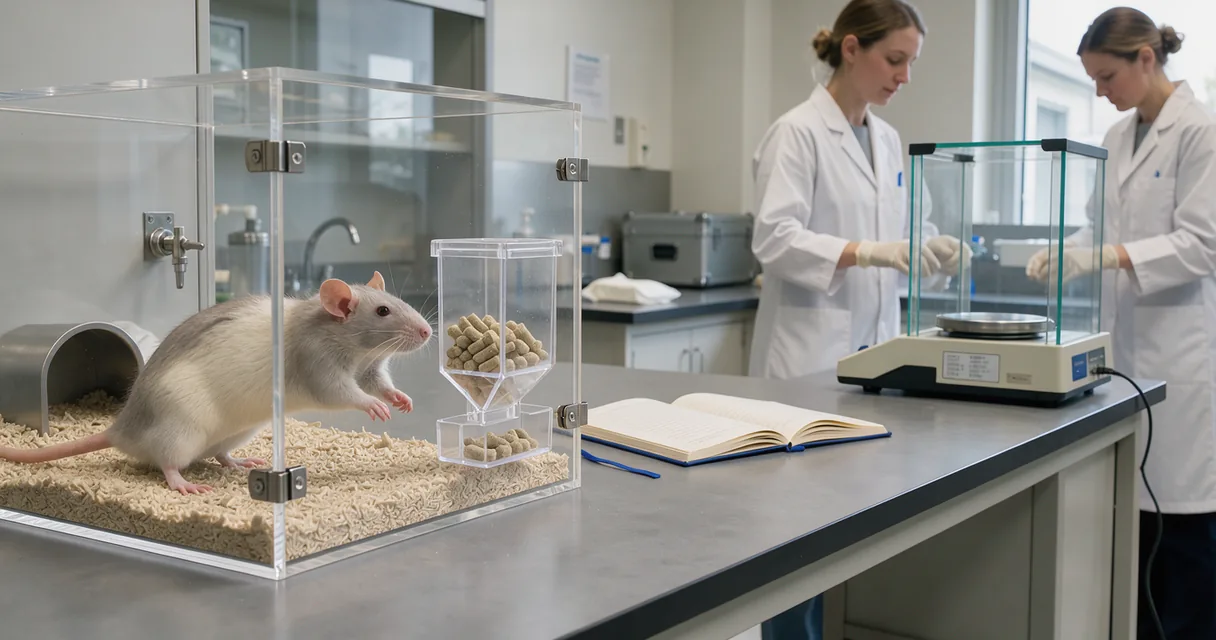
In the 2010 study of obese Zucker rats, central application of Melanotan II repeatedly suppressed appetite. Tolerance to that acute effect developed. The reductions in body weight and fat persisted.
Tolerance sounds like the ending of an effect. Here, the appetite response weakened while another measured change continued. The mismatch deserves an explanation before it gets reduced to a fat-loss slogan.
The experiment used obese rats and administration into the brain’s ventricular system. Its result concerns those animals under those conditions. It supplies an interesting physiological question, with no established human weight-loss treatment or safe personal regimen. The study file follows the appetite and fat measurements.
Thermogenesis in rats
A later rat experiment found reduced body mass without requiring long-term caloric restriction, together with reduced intra-abdominal fat and greater brown-fat thermogenic capacity. Brown fat burns fuel to produce heat. That offers a concrete line of inquiry into the energy side of the result.
A study in diet-induced obese mice found weight and fat reductions largely explained by reduced food intake. The different preparations deserve their own explanations. I distrust metabolism claims stripped of the animal, route and outcome.
The receptor file connects this work to melanocortin signaling, including the pathways involved in appetite and heat production.
Pigmentation and clearance
There is another timing problem in the related-compound literature. In the human Melanotan I pharmacokinetic study, the peptide cleared rapidly while pigmentation persisted for weeks. This observation concerns Melanotan I, the linear analogue. It gives no direct human half-life for Melanotan II.
The Melanotan II clearance study in rats found rapid, biphasic plasma clearance. A validated human half-life for Melanotan II itself remains absent from this record. I distrust a convenient duration quoted with more confidence than its supporting measurement permits.
An Rx-looking name invites tidy expectations about an amount and an interval. The research gives a less cooperative set of answers: different endpoints can change on different timescales, and the direct human clearance measurement is still missing. The dosage and half-life file identifies which figures came from which compound.
Clinical consequences
The timing puzzle is scientifically interesting. The priapism reports are clinically urgent: a prolonged, often painful erection can require emergency care. Reports also describe renal infarction, severe muscle breakdown and melanoma associated with use. Individual reports cannot establish a dependable event rate or every proposed cause.
Melanotan 2 has no approved human indication, and its long-term safety remains unresolved. The effects file covers the medical reports and the separate, anecdotal accounts in user discussions. The contents file adds a different uncertainty: what laboratories detected in products carrying the compound’s name.
A persistent animal response draws my curiosity; the unfinished human safety record still carries more weight. The persistence is a reason to investigate the biology, with no reassurance that unwanted effects will end neatly.