Experimental record
Human and animal studies of Melanotan 2
The erection experiment makes a clear claim about a small group of men. The appetite papers get more interesting when their different questions stay visible.
An erection trial in 10 men
The 1998 double-blind, placebo-controlled crossover trial enrolled 10 men with psychogenic erectile dysfunction. Melanotan II produced clinically apparent erections in 8 of 10. The mean duration of greater than 80% tip rigidity was 38.0 minutes with the compound and 3.0 minutes with placebo. Transient nausea, stretching and yawning required no treatment in that trial.
This paper earns credit from me for demonstrating a real pharmacological response under controlled conditions. Its population and size still matter: men with psychogenic erectile dysfunction supplied the observations, and the experiment was small. The dosage record identifies the amount used without turning it into a personal regimen.
Melanotan 2 tanning
In the 1996 pigmentation pilot, three healthy men received subcutaneous Melanotan II. Two of the three had increased pigmentation of the face, upper body and buttocks after five low doses, without additional UV exposure. Spontaneous erections, mild nausea and dose-limiting somnolence also entered the record.
The pairing of skin colour and erections is striking. The thin follow-up worries me most. The tanning observation supports pigment activity. The hoped-for protection against skin cancer remained an ambition rather than a demonstrated Melanotan II outcome.
Appetite and food motivation
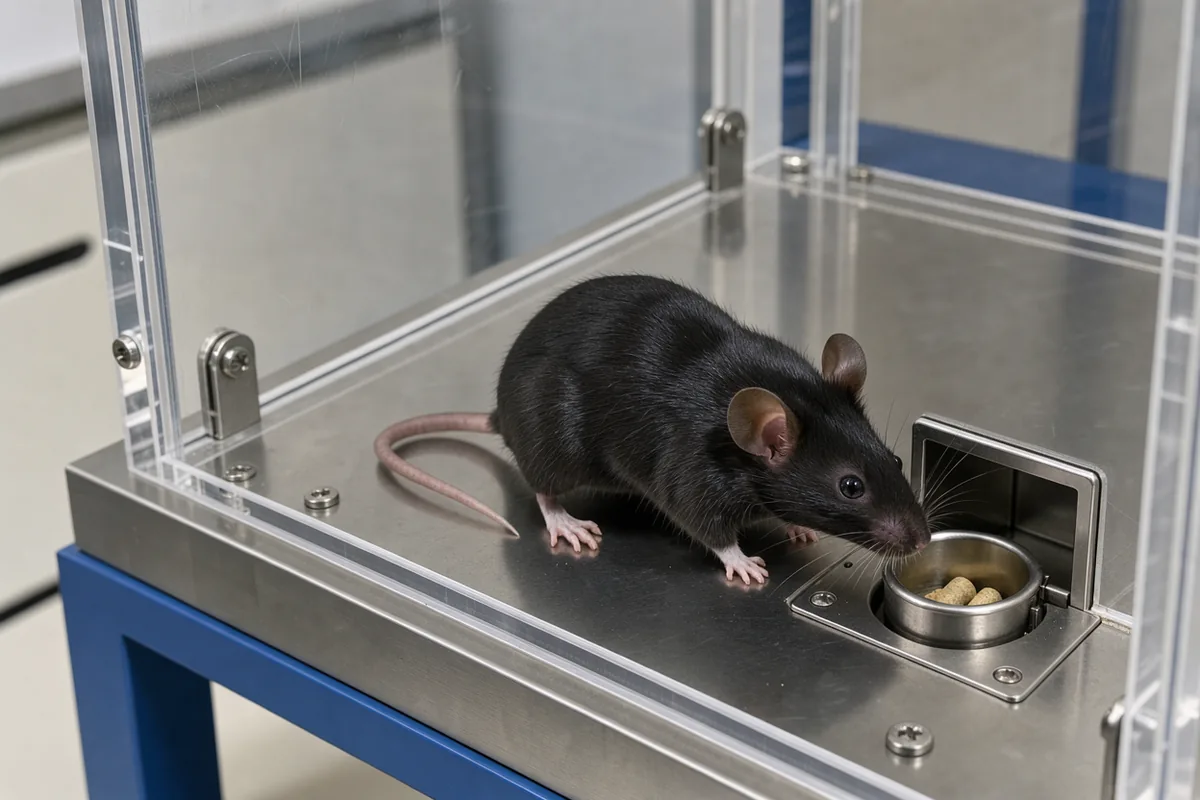
The 2022 nucleus accumbens experiment used male C57BL/6J mice. Researchers microinjected Melanotan II into that reward-related brain region and measured consumption as well as responding to gain access to food. Both fell. Conditioned taste aversion was absent, and metabolic rate stayed unchanged in this experiment.
The distinction between obtaining food and eating it is what makes this result valuable to me. It asks about motivation as well as consumption. It also describes a very particular manipulation inside a mouse brain, a long way from a human weight-loss trial.
Body fat after appetite returns
In obese Zucker rats, repeated central application caused appetite suppression that waned as tolerance developed, while reductions in weight and body fat persisted. That persistence complicates a simple story in which the animals merely ate less. The rat thermogenesis study also found reduced body mass without a need for long-term caloric restriction, together with reduced intra-abdominal fat and increased brown-fat thermogenic capacity.
A study in diet-induced obese mice found weight and fat reduction after subcutaneous administration, with reduced food intake explaining much of the change. The experiments support several metabolic questions. In my estimation, flattening those preparations into a single human claim abuses the animal work.
Glucose and cold response
Melanotan II administered into the brains of mice increased insulin sensitivity of glucose disposal and skeletal-muscle Glut4 mRNA expression. That is a mouse finding about glucose handling.
The PACAP-deficient mouse study addressed a separate problem: impaired thermogenic capacity. Melanotan II partially rescued that capacity and restored cold-induced adaptive thermogenesis during cold acclimation. These specially selected animals help locate a signaling pathway. Neither experiment establishes a human treatment for diabetes or impaired temperature regulation.
The clinical harm reports answer another set of questions and deserve attention alongside these experimental successes.